VVerde Wave Travel
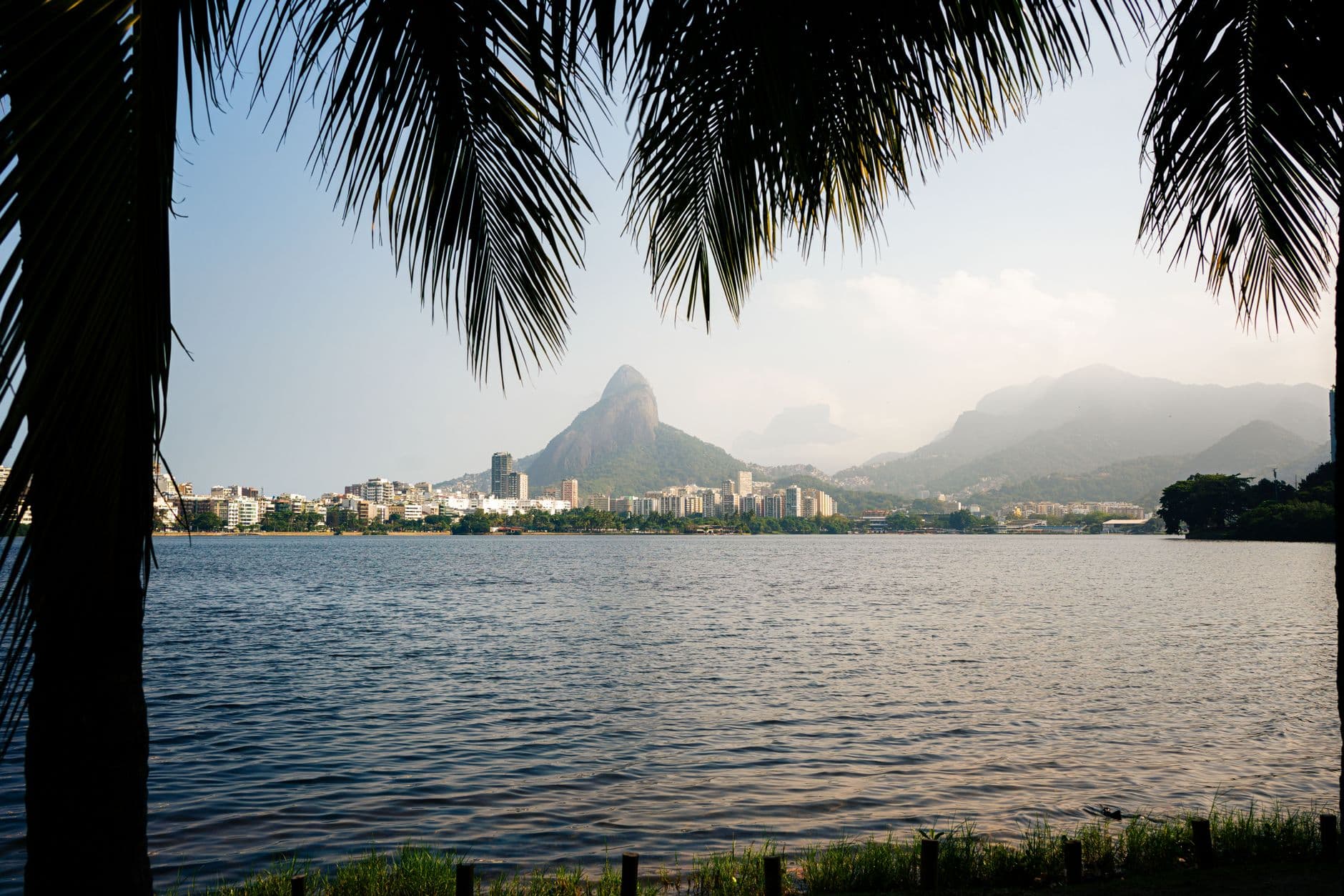
Paisagem de Brazil

eSIM Brazil

QR delivered by email in under 3 minutes. Install before you travel, activate when you land.

Destination guide

Last updated: June 15, 2026

The Lusophone giant — from Rio to the Amazon, Salvador to São Paulo. Beach, rainforest, samba and an energy that’s contagious. Here is the essential to enter and get around, verified.

Travel essentials

EU citizens (Portugal, Spain, France, etc.) and the UK enter visa-free for tourism for up to 90 days, extendable by a further 90 within a year. Brazil reintroduced an electronic visa only for US, Canadian and Australian citizens (since 2025), on a reciprocity basis — this does not affect France or the other EU countries. Passports from Cabo Verde, Guinea-Bissau, Nigeria, Ghana and Senegal need a visa to enter Brazil; Angola’s status should be confirmed at the consulate. The yellow fever vaccine is strongly recommended (see Health). Always confirm at the official source.

PassportEntry rule
Portugal · Spain · France · United Kingdom · EUVisa-free (tourism)
Cabo Verde · Guinea-Bissau · Nigeria · Ghana · SenegalVisa required (tourism)
AngolaTo confirm at the Brazilian consulate (status uncertain)

⚠️ Border rules change without notice. Always confirm with the official source (consulate, immigration, travel.state.gov, gov.uk, Portal das Comunidades) before travelling.

Health

Yellow fever is not required to enter from Europe, but it is strongly recommended: health authorities advise the vaccine for almost all of Brazil, except the cities of Fortaleza and Recife. Get it at least 10 days before travelling. Note: if you continue from Brazil to another country (for example, in Africa), the international yellow fever certificate may be required. There is also dengue risk (use repellent), and hepatitis A and typhoid are advised depending on the itinerary.

Passport

Passport valid for at least 6 months on the date of entry. Proof of onward travel and of means of support may be requested.

To confirm (not published as fact):

  • Visa status of the Angolan passport for entering Brazil — uncertain; confirm with the Brazilian consulate. (Cabo Verde, Guinea-Bissau, Nigeria, Ghana and Senegal: visa required, confirmed.)

Arrival & Safety

Airport

São Paulo-Guarulhos (GRU) is South America’s biggest hub; Rio has Galeão (GIG) and Santos Dumont (SDU, domestic, downtown). Brasília (BSB), Belo Horizonte (CNF), Salvador (SSA), Recife (REC) and Fortaleza (FOR) serve the regions. The country is continental — domestic flights (GOL, LATAM, Azul) save many hours.

Getting in

Use ride apps — Uber, 99 (the popular Brazilian app) and Cabify — instead of street taxis: the fare is fixed, trackable and safer. At airports, order the car via the app from the designated pickup point. Avoid hailing taxis on the street at night. Metros serve São Paulo, Rio and Brasília.

Safety

Level 2 — Exercise increased caution (US), with kidnapping risk

Brazil is warm and safe for the informed traveller, but asks for care: it’s at Level 2 (US), with a kidnapping indicator. The golden rule is don’t flash wealth — stay low-key, no jewellery, expensive watches or phone in sight on the street (phone theft is common). Don’t enter favelas on your own. Higher-risk (avoid) are areas within 160 km of land borders — except the Foz do Iguaçu and Pantanal parks — and certain neighbourhoods at night in Rio, São Paulo, Salvador and Recife. With common sense, millions visit without trouble.

⚠️ Border rules change without notice. Always confirm with the official source (consulate, immigration, travel.state.gov, gov.uk, Portal das Comunidades) before travelling.

Money

Currency: Brazilian real (R$, BRL). Pix — instant phone payment — dominates the country, but usually requires a Brazilian account and CPF; as a tourist, pay by card (contactless accepted almost everywhere) and carry some cash for markets, the beach and rural areas. ATMs are common (use bank ones, in daylight). Avoid airport exchange desks.

eSIM plans

Available soon

Refund guarantee: if the eSIM doesn't work at your destination, you get your money back.

Connectivity

Four operators: Vivo (Telefónica, the largest), Claro, TIM and the revived Oi. 4G/5G coverage is excellent in cities and good on the coast; head inland and into the Amazon and signal thins out. For travellers from Europe or Africa, the Verde Wave eSIM avoids expensive roaming and activates on arrival — handy, since buying a local SIM requires a CPF (tax number).

Arriving with data on lets you order Uber/99, open the map and — above all — use WhatsApp, which in Brazil is everything: taxis, restaurants, hotels, family. An eSIM activated before departure avoids the local-SIM bureaucracy (which needs a CPF) and works the moment you land.

WhatsApp is absolutely central in Brazil — businesses, services and friends all communicate there. Coverage is strong in Rio, São Paulo, Brasília and state capitals; weaker inland, in the Pantanal and the Amazon, where downloading offline maps helps. Free Wi-Fi is common in malls, hotels and cafés.

See eSIM plans →

Sending money Brazil

Sending money to Brazil is part of diaspora life. The usual options: bank transfer (slower and sometimes with hidden FX margins), specialist apps like Wise, Remitly and WorldRemit (fast and transparent on fees), and cash pickup via Western Union or MoneyGram. In Brazil, money usually reaches a bank account and can be received via Pix, in reais (BRL). Always compare the total cost — fee plus exchange-rate margin — and the speed before sending. Verde Wave never handles money; we just point you to the tools.

Practical tips

Best time

Brazil is continental, with different climates. The coast and the Northeast (Salvador, Recife, Fortaleza) are warm almost year-round. Carnival (February/March) is the peak of festivity and prices. For the Amazon and Pantanal, the dry season (May–September) is best for wildlife; the South has a cool winter (June–August).

Languages

Portuguese is the official language — a huge advantage for the Lusophone corridor, though Brazilian Portuguese has a different accent, vocabulary and some expressions from the European one (and is more informal: everyone is addressed as “você”). English is limited outside tourism and business.

Etiquette

Brazilians are warm, close and informal — kisses, hugs and easy conversation are the norm. Punctuality is flexible socially (but not for flights). “Tudo bem?” is more a greeting than a question. Be friendly and patient; show respect for diversity and the Afro-Brazilian heritage, especially in Bahia. A 10% tip usually comes already on the bill.

What to see & culture

Places

Christ the Redeemer and Sugarloaf in Rio, with the beaches of Copacabana and Ipanema; the Iguaçu Falls; the Amazon and Pantanal; Salvador’s historic centre (Pelourinho); Niemeyer’s architecture in Brasília; and the dunes of the Lençóis Maranhenses.

Culture

The cradle of samba, bossa nova and funk; of beautiful-game football and Carnival, the planet’s biggest party. African heritage is one of the country’s deepest roots — in capoeira, candomblé, music and cuisine, especially in Bahia. A melting pot of peoples with a unique human warmth.

Food

Feijoada (the national dish), Minas-style pão de queijo, southern churrasco, Bahian moqueca and acarajé (of African root), Amazonian açaí and brigadeiro. Drink a sugarcane juice, a guaraná or the inevitable cachaça caipirinha.

Sources

  1. US State Department — Brazil Travel Advisory (Nível 2, indicador de rapto)
  2. CDC Yellow Book 2026 — Brazil (recomendações de febre-amarela)
  3. Gov.br / Polícia Federal — Vistos e entrada no Brasil
  4. Portal Consular (Itamaraty) — Vistos para estrangeiros