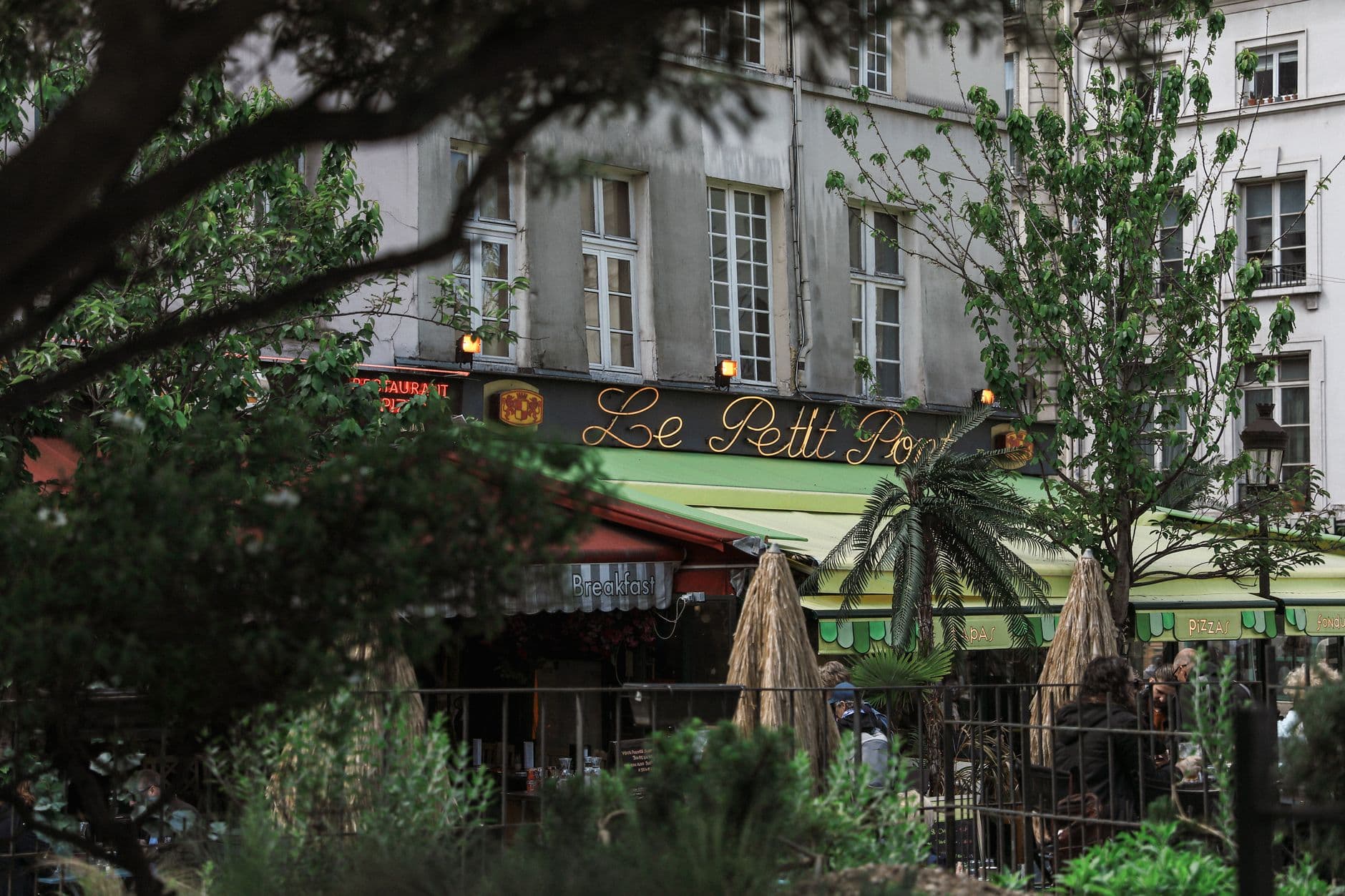
Destination guide
Last updated: June 15, 2026Paris and far beyond — the Riviera, the Loire châteaux, the Alps and one of Europe’s largest African diasporas. Art, gastronomy and an enviable transport network. Here is the essential, verified.
Travel essentials
This destination is part of the Schengen area, and entry rules depend on your passport. EU/EEA and Swiss citizens move freely. Brazilians enter visa-free for up to 90 days per 180 — and, from the last quarter of 2026, will need the ETIAS electronic authorisation (see below). Passports from Angola, Guinea-Bissau, Nigeria, Ghana and Senegal need a Schengen short-stay (Type C) visa; Cape Verde does too, but under the EU Visa Facilitation Agreement (simpler and cheaper). Important note: since 10 April 2026, the new Entry/Exit System (EES) records biometric data at the border — allow some extra time on arrival. Always confirm at the official source before travelling.
| Passport | Entry rule | Max stay |
|---|---|---|
| EU / EEA / Switzerland | Free movement (no visa) | No limit |
| Brazil | Visa-free; ETIAS from Q4 2026 | 90 days / 180 |
| Cabo Verde | Schengen Type C visa — EU Facilitation Agreement (~€35 fee, simplified) | 90 days / 180 |
| Angola · Guinea-Bissau · Nigeria · Ghana · Senegal | Schengen Type C visa (short stay, ~€90) | 90 days / 180 |
⚠️ Border rules change without notice. Always confirm with the official source (consulate, immigration, travel.state.gov, gov.uk, Portal das Comunidades) before travelling.
ETIAS is an electronic travel authorisation (not a visa) for nationals of visa-exempt countries — such as Brazil. It is expected to start in the last quarter of 2026; it costs about €20 (free for under-18s and over-70s), is valid for 3 years (or until the passport expires) and allows multiple entries for stays of up to 90 days per 180. The Q4 2026 start is followed by a transitional grace period, with ETIAS becoming mandatory in 2027. Those who need a Schengen visa (most African passports in the corridor) do not use ETIAS — they use the visa. Apply online, well ahead, before travelling.
Health
No vaccinations are required. EU residents should carry the European Health Insurance Card (EHIC) for necessary healthcare during the stay. Those travelling on a Schengen visa must show travel insurance with minimum medical cover of €30,000, valid across the Schengen area. Health, drinking-water and medical standards are high.
Passport
For third-country nationals, the passport must have been issued within the last 10 years and be valid for at least 3 months beyond the intended departure date from the Schengen area. EU/EEA citizens may travel with a valid national ID card.
Arrival & Safety
Airport
Paris has two big airports: Charles de Gaulle (CDG), the main hub, and Orly (ORY), to the south. Both link to the centre by RER/train (metro line 14 reaches Orly). Nice (NCE), Lyon (LYS) and Marseille (MRS) serve the south. The TGV links cities at high speed.
Getting in
Uber and Bolt operate in Paris and the big cities, with fixed fares. The Paris metro is dense and cheap — the Navigo Easy pass or t+ tickets simplify it. Beware unofficial taxis at the airports: use the official rank or the app. The RER B links CDG to the centre.
Safety
France is at Level 2 (US) mainly due to the diffuse terrorism risk common to Western Europe. For travellers, the real issue is pickpockets and scams, very active in Paris (metro, Eiffel Tower, Montmartre, Gare du Nord) and Marseille. Avoid outer districts at night and keep belongings in sight in crowds. Occasional protests can affect transport.
⚠️ Border rules change without notice. Always confirm with the official source (consulate, immigration, travel.state.gov, gov.uk, Portal das Comunidades) before travelling.
Money
Currency: euro (€). Cards and contactless payments are accepted almost everywhere — transport, restaurants and small shops — and cash is increasingly optional. ATMs are plentiful; Apple Pay and Google Pay work widely. Avoid airport currency-exchange desks (poorer rates).