Verde Wave Beta

Overview

Explore Mauritius

Practical tips

Best time

A tropical climate with two seasons — one hot and humid, one cooler and drier — plus a cyclone season in the southern summer. The mountainous interior is noticeably cooler and wetter than the coast, so the weather in Port Louis is not the weather in Curepipe.

Languages

Mauritian Creole is the everyday language and is spoken by almost everyone. English is the language of administration and schooling, French dominates media and social life, and Bhojpuri, Hindi, Tamil, Mandarin and other community languages are widely heard. Switching language mid-conversation is ordinary and is not a lapse in manners.

Etiquette

Greet before asking, treat elders with deference, and be discreet photographing people and temples. The island is multi-religious: removing shoes and covering shoulders at temples and mosques is expected. The rest of the practical guide is in preparation.

What to see & culture

Places

Le Morne Brabant, the UNESCO-listed mountain that sheltered people who had escaped slavery; the Aapravasi Ghat in Port Louis, where indentured labourers from India arrived, also a World Heritage site; Black River Gorges National Park; the seven-coloured earth and waterfall at Chamarel; and the Pamplemousses Botanical Garden, among the oldest in the southern hemisphere.

Culture

An island with no indigenous population, settled by successive arrivals — Dutch, French, British, African, Indian and Chinese — that layered rather than replaced one another. Independent since 1968. From that comes sega, the music and dance born among enslaved people and now recognised by UNESCO, and a calendar in which Hindu, Muslim, Christian and Chinese festivals follow one another through the year.

Food

One of the Indian Ocean's most thoroughly mixed cuisines: dholl puri and roti sold at market gates, Indian curries beside Chinese-influenced mine frit, tomato rougaille of Creole root, and mazavaroo and other chilli pastes alongside almost everything. Fish and seafood arrive fresh, and the island's rum has a long production history.
Verde Wave · Living Book

More about Mauritius

Chapters built from research with cited sources. Each block says what it is and where it came from; what we do not yet know is stated just as plainly.

Etiquette and customs

Contexto e história

  • Social rules visitors get wrong — dress, shoes, photos and respectCorroborado por fontes independentes

    Mauritians value modesty and politeness. Greet with “Bonjour/Bonsoir” and a handshake; close friends may exchange light cheek kisses. Remove shoes in many homes and all temples/mosques; cover shoulders and knees at religious sites. Ask before photographing people or religious offerings; avoid topless sunbathing on public beaches.culturalatlas.sbs.com.au · checked 19 Aug 2026
Food and drink

Contexto e história

  • Dholl Puri — the island’s street-food ritualCorroborado por fontes independentes

    Dholl puri is Mauritius’ signature street food: a thin, griddled flatbread stuffed with spiced yellow split peas, folded around butter-bean curry, rougaille (tomato-chilli relish), grated cucumber and mazavaroo (green-chilli paste). It’s eaten standing at market entrances or roadside “snacks,” often in the early morning.Selina Periampillai · www.kuoni.co.uk · checked 19 Aug 2026
Places

Contexto e história

  • Port Louis Central Market and Chinatown — spice, noise and noodlesCorroborado por fontes independentes

    Port Louis’ Central Market (near Place d’Armes) is a covered warren of spices, fish, meat, produce and healing teas, with textiles and basketry sold alongside. A short walk east leads into Chinatown, where shophouses, lanterns and street-food stalls serve mine frite, boulettes and roti. Go before noon for the liveliest bustle.mymauritiusguide.com · checked 19 Aug 2026
Language

Contexto e história

  • How language works day to day — Creole, French, English (and when to switch)Corroborado por fontes independentes

    Mauritian Creole (Kreol Morisyen) is the mother tongue and lingua franca—used at home, in markets and casual talk. French dominates media, advertising and much of social life; English is the official language of government, law and schooling. Mauritians code-switch fluidly: Creole for intimacy and humour, French for formality and business, English for official matters. Useful phrases (with rough pronunciation): “Bonzhour” (Bonjour) — hello / good morning; “Mersi” (Merci) — thank you; “Sil voo ple” (S’il vous plaît) — please; “Komin ou été?” — how are you? (Creole); “Mo kontan” — I’m happy / I like it (Creole)mauritius-life.com · checked 19 Aug 2026
Crafts and local shopping

Contexto e história

  • Model ships — hand-built maritime miniaturesCorroborado por fontes independentes

    Mauritius has a living tradition of handcrafted wooden ship models, sold in workshops and showrooms across the island. Notable makers include Bobato Ship Models (Curepipe), Historic Marine (Goodlands), and Le Port Ship Model (Vacoas/Floréal). Visitors can watch artisans at work and buy directly; prices reflect hours of carving, rigging and finishing.bobatoshipmodels.com · checked 19 Aug 2026
Seasons and festivals

Contexto e história

  • The year as it is lived — two seasons, cyclone window, and when to goCorroborado por fontes independentes

    Mauritius has two seasons: a warm, humid summer (November–April) with afternoon showers and cyclone risk (peak January–February), and a cooler, dry winter (May–October) with steady trade winds. The sweet spots are May and September–October: warm seas, low rain, fewer crowds. Cyclone season officially runs 1 November–15 May; risk is near-zero from May to October.www.tui.co.uk · checked 19 Aug 2026
Culture

Contexto e história

  • Thaipoosam Cavadee — fire, milk and tranceCorroborado por fontes independentes

    Thaipoosam Cavadee is a Tamil Hindu festival of purification and devotion. For ten days devotees fast, pray and meditate; on the festival day they process to a river for a holy bath, then carry ornate kavadi structures (often pierced with hooks and needles) in a trance-like dance to the temple, where milk is poured over Lord Muruga’s statue.heritageresorts.mu · checked 19 Aug 2026
Heritage

Contexto e história

  • Le Morne Brabant — the mountain of maroon freedom

    Le Morne is a basaltic peninsula in southwestern Mauritius, inscribed as a UNESCO Cultural Landscape for its role as a refuge for escaped slaves (maroons). Oral tradition holds that in 1835, when soldiers climbed the mountain to announce emancipation, some maroons—fearing recapture—leapt from the cliffs; the story is contested but widely commemorated. (Em disputa: The mass-suicide narrative is oral and symbolic; UNESCO emphasises the site’s testimony to maroonage and resistance rather than confirming the leap as historical fact.)whc.unesco.org · checked 19 Aug 2026

Sources for this chapter: culturalatlas.sbs.com.au · www.kuoni.co.uk · mymauritiusguide.com · mauritius-life.com · bobatoshipmodels.com · www.tui.co.uk · heritageresorts.mu · whc.unesco.org

Field Notes

Seen in Mauritius

Real photographs from the Verde Wave archive: place and date, from someone who was there.

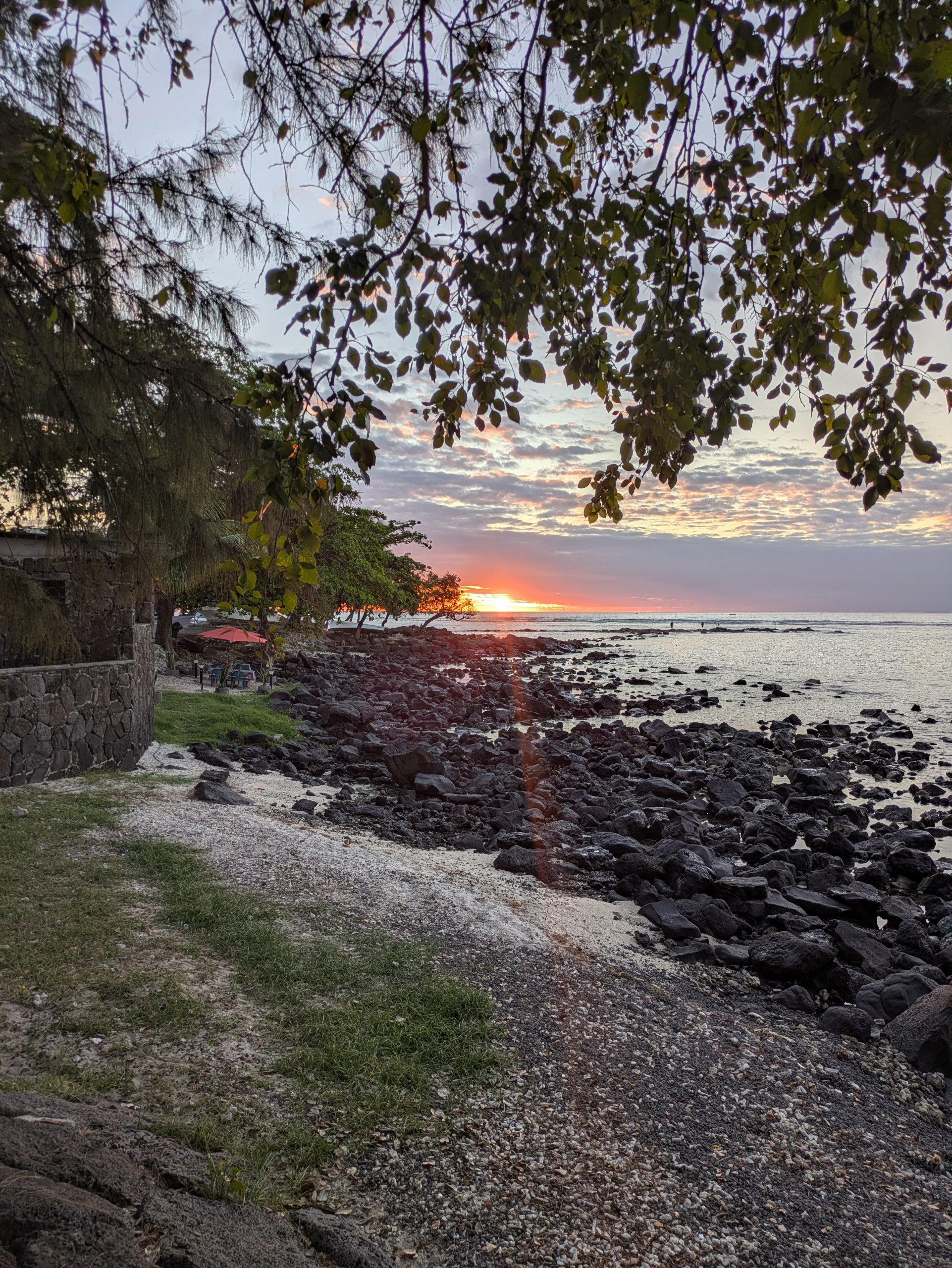
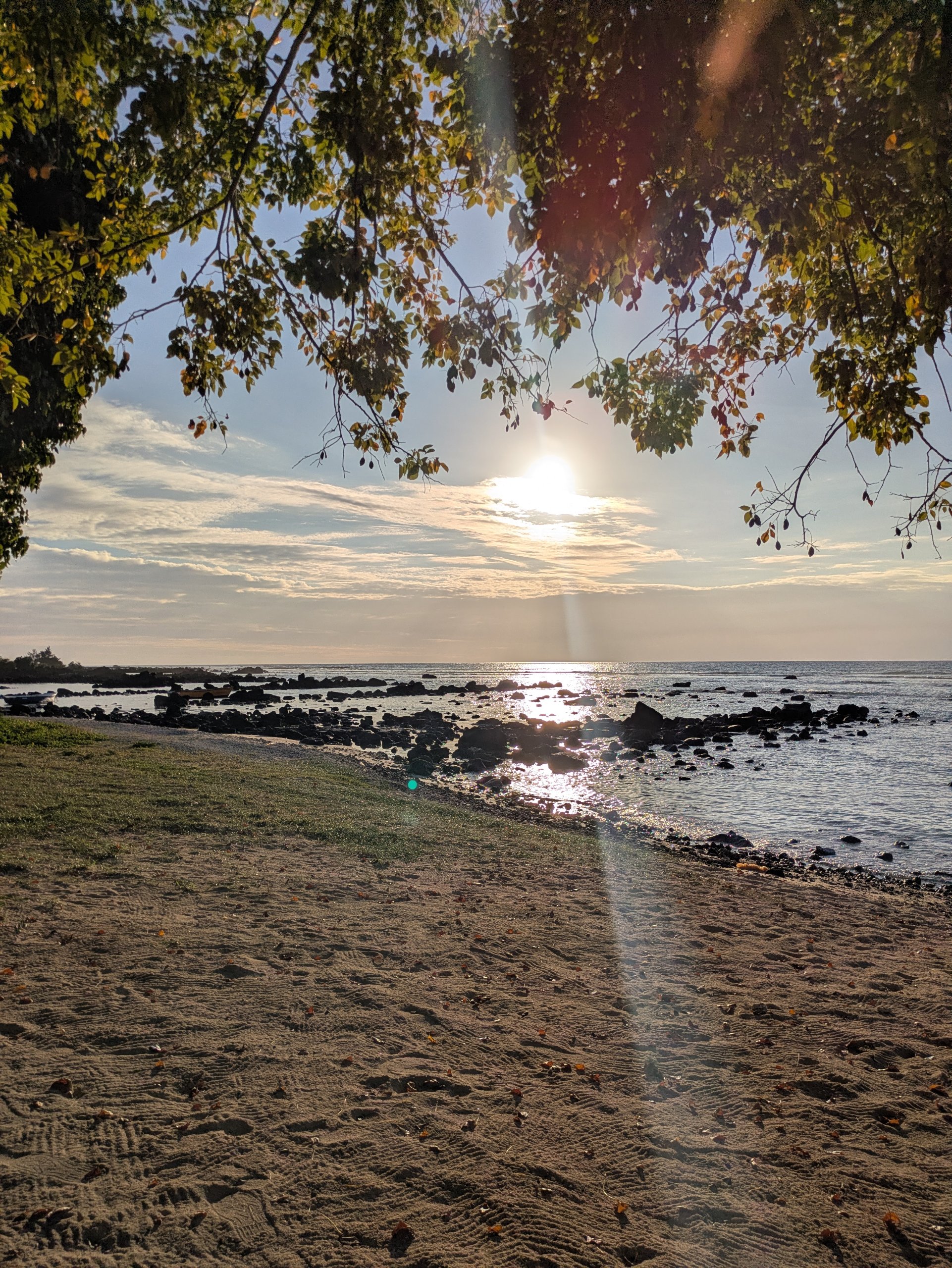
trou aux biches sunset
trou aux biches · © André Gomes
Costa rochosa ao pôr do sol
Mauritius
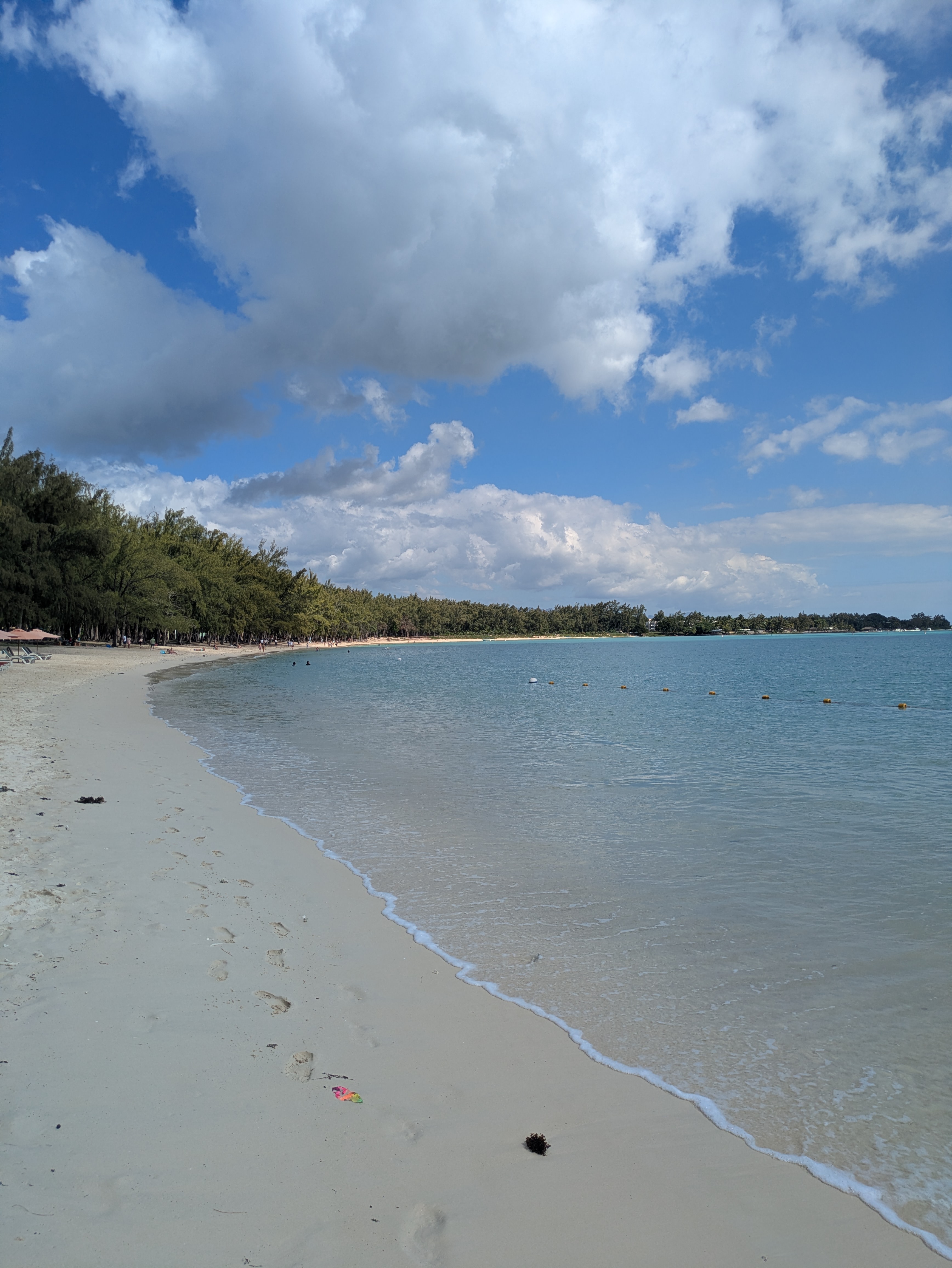
Mont choisy
Mont choisy

Onde ficar

Mauritius por zonas

Como cada zona se move, come e compra — nunca um veredicto de segurança. Perfis em verificação no terreno.

Norte (Grand Baie e costa norte)

A costa norte concentra praias públicas, comércio virado ao visitante e ligação rodoviária direta a Port Louis. Grand Baie é o principal polo turístico do norte.

PraiaCompra localVida localMais turístico

Confiança: baixa · verificado 2026-08-28

Port Louis e arredores

A capital: mercado central, museus, o porto e a maior concentração de serviços do dia a dia e transportes públicos da ilha. Menos orientada a praia.

CulturaComidaTransportesCompra localSem praiaMovimentado

Confiança: baixa · verificado 2026-08-28

Oeste (Flic en Flac a Le Morne)

Costa oeste com praias extensas e o Morne Brabant, património mundial da UNESCO, a sul. Pôr do sol sobre o mar; ligação por estrada à capital.

PraiaFotografiaAtividadesCarro útil

Confiança: baixa · verificado 2026-08-28

Centro (planalto: Curepipe, Quatre Bornes)

O planalto central: as cidades residenciais e comerciais onde vive grande parte da população, clima mais fresco, mercados locais. Sem costa.

Vida localCompra localTransportesSem praiaClima mais fresco

Confiança: baixa · verificado 2026-08-28

Sudeste (Mahébourg e aeroporto)

A zona do aeroporto internacional e de Mahébourg, com o seu museu naval e mercado. Base natural para a primeira ou última noite da viagem.

Chegada e partidaVida localComidaLonge do norte

Confiança: baixa · verificado 2026-08-28

Este (Trou d’Eau Douce a Belle Mare)

A costa este: praias longas, a partida para a Île aux Cerfs em Trou d’Eau Douce, e um ritmo mais calmo do que o norte.

PraiaCalmaFotografiaMenos comércio

Confiança: baixa · verificado 2026-08-28

Como ler isto: estes perfis descrevem geografia, serviços e ritmo, a partir de fontes públicas e verificação no terreno em curso. Atividade não prova segurança; pouca atividade não prova perigo; zonas turísticas parecem sempre mais ativas. Nenhuma zona recebe nota de segurança, porque esse número pareceria preciso sem o poder ser.